A Guide to Modern Medication Management
Learn the clinical essentials of home medication management to prevent errors and ensure family safety. This guide covers the 'dual-layered' approach to organization, combining physical storage strategies with digital inventory tracking to keep your medicine cabinet up-to-date and effective.
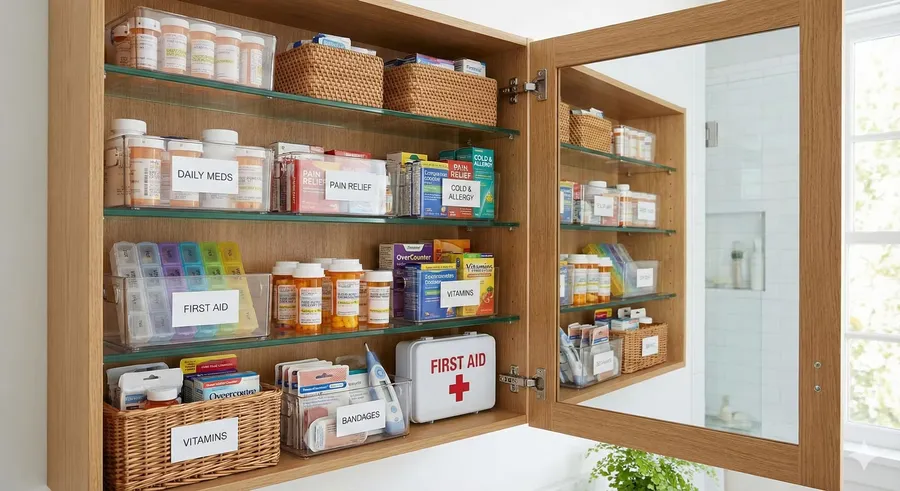
If you have ever asked, “How do I organize my medicine cabinet safely?” or “What is medication management?” you are addressing a vital pillar of personal health. Effective organization is more than just tidying up a bathroom storage cabinet; it is a clinical necessity that ensures you take the right dose at the right time.
Effective management requires a dual-layered approach: a physical medical supply organizer for storage and a digital assistant for accountability.
What is Medication Management?
At its core, medication management is the clinical process of overseeing drug therapy to ensure safety and effectiveness. The stakes are high: the CDC reports that nearly 50% of Americans have used at least one prescription drug in the past 30 days. Yet, poor organization and forgetfulness contribute to roughly 125,000 preventable deaths annually in the U.S. alone, according to research in the Annals of Internal Medicine.
The irony of a ‘medicine cabinet’ is that it is the worst place to keep medicines because the heat and humidity from bathing can break down the medicines and make them less effective. — Institute for Safe Medication Practices (ISMP)
Why Organization Matters
Disorganized storage is a primary cause of high-risk errors, including:
- Accidental Double-Dosing: Taking the same medication twice by mistake.
- Expired Medications: Using ineffective or potentially harmful outdated treatments.
- Reduces Dangerous Drug Interactions: Organized storage lowers the risk of incompatible drug use.
- Improves Adherence: Structured storage reduces friction and supports consistent daily routines.
How to Organize Medicine Cabinet?
Moving beyond the “junk drawer” mentality is the first step toward a fail-safe home health system. A truly effective medical supply organizer isn’t just a shelf; it is a categorized ecosystem that prevents “optimization decay” — the natural tendency for cabinets to become cluttered and expired over time.
Harmonizing Physical and Digital Storage
To build a professional-grade setup, start by grouping your physical first aid kit supplies in transparent, labeled bins. For those managing daily regimens, integrating a pill box organizer into your shelf layout eliminates dosage guesswork and keeps your routine visible.
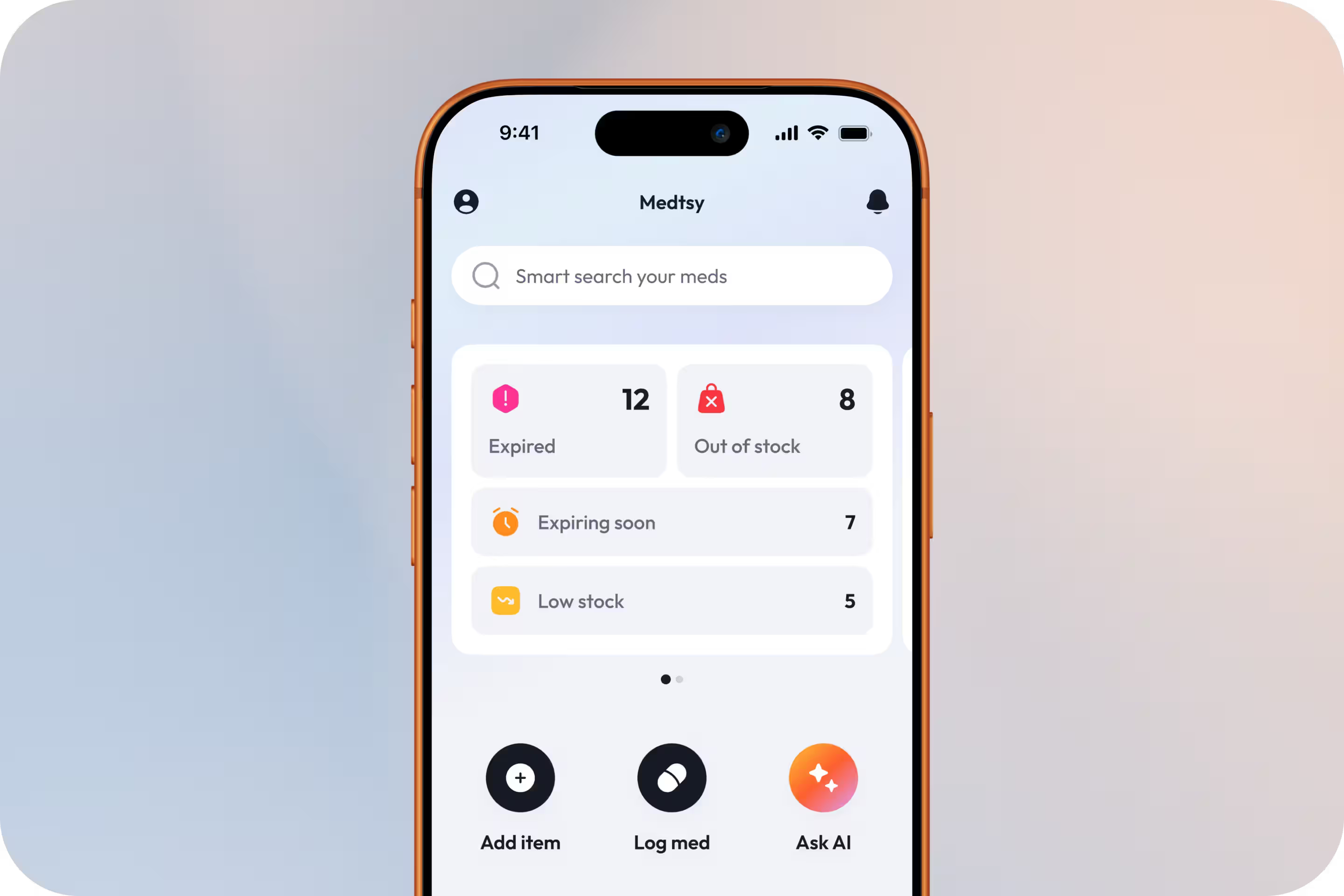
However, physical order is only half the battle. By pairing your cabinet with a digital companion like Medtsy, you can inventory your medications as you store them. This creates a real-time map of your health tools, from thermometers to prescriptions, ensuring you never buy duplicates or rely on expired goods.
Leveraging Intelligence When It Matters
The synergy between a tidy medical supply organizer and digital tracking becomes most valuable during illness. When you aren’t feeling well, the process should be seamless:
- Step 1: Use AI symptom search to understand your current discomfort.
- Step 2: The app instantly cross-references your symptoms with your personal inventory.
- Step 3: You receive a list of medicines you already own that are relevant to your needs.
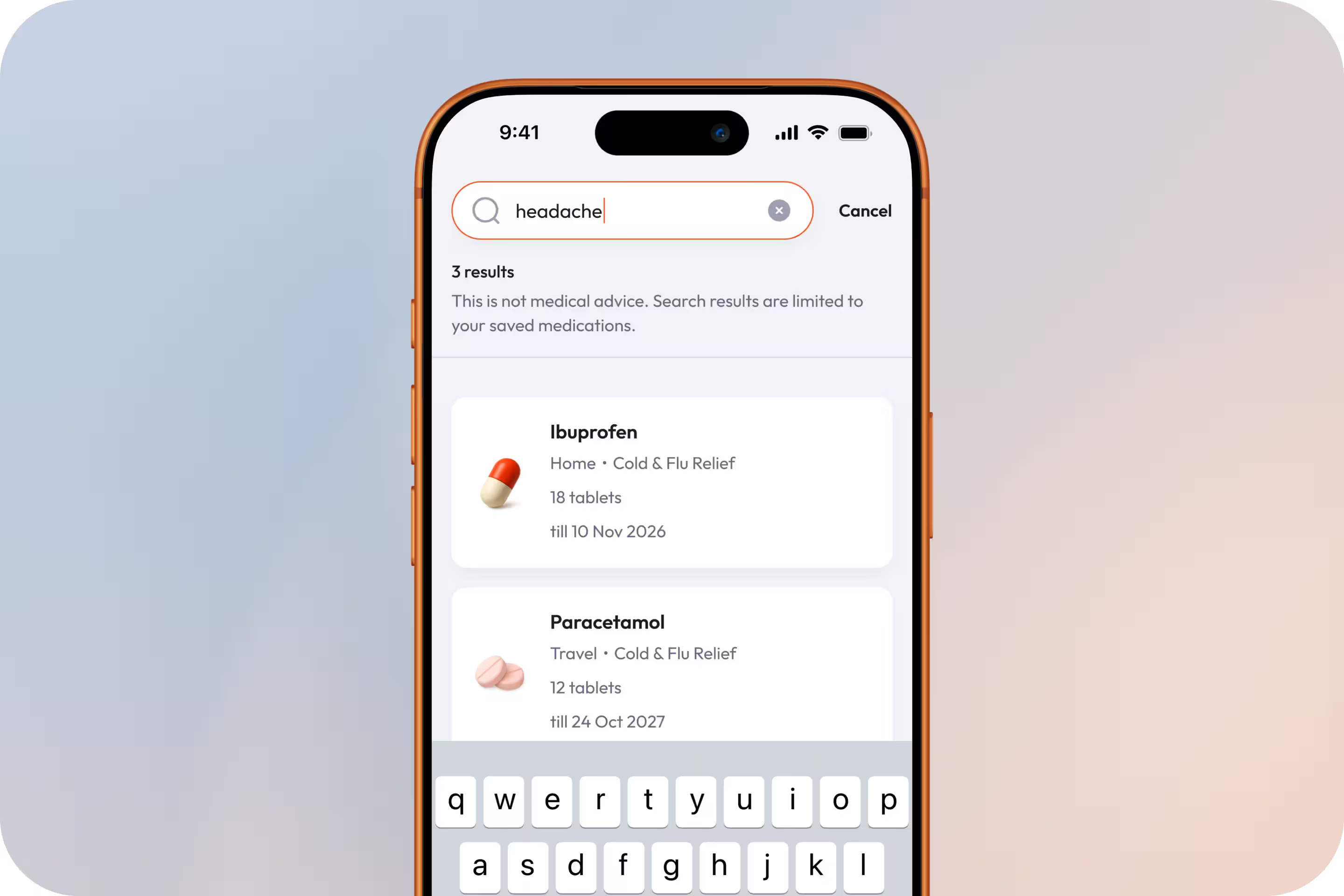
This integrated approach saves you from unnecessary pharmacy trips and ensures that your first aid kit supplies are always ready for action, turning a chaotic cupboard into a streamlined home health center.
What OTC Medications to Have in Medicine Cabinet
According to the Mayo Clinic, a well-stocked home pharmacy should include:
- Pain and Fever (Analgesics/Antipyretics): Acetaminophen and Ibuprofen.
- Allergic Reactions (Antihistamines): Diphenhydramine and Loratadine.
- Digestive Issues (Gastrointestinal Relief): Antacids and anti-diarrheals.
- Skin and Wound Care (Topicals): Hydrocortisone and antibiotic ointments.
When you log these into Medtsy , the app’s AI search helps you find the right remedy. This is beneficial when you are not feeling your best. It also gives insights into common uses for each product through the Ask AI feature.
How to Select the Right Pill Organizer?
Once your bathroom storage cabinet is categorized, the next challenge is daily adherence. Even the best-organized shelf is ineffective if there is ambiguity regarding whether a dose has been administered. This is where the pill organizer becomes a critical hardware intervention.
Selecting Your Tool
Not all hardware is created equal. Your choice of a pill organiser should match the complexity of your clinical needs and the frequency of your refills:
| Type | Best For | Technical Advantage |
|---|---|---|
| am pm pill organizer | Split-dose regimens | Prevents morning/evening confusion and circadian dosing errors. |
| 30 day pill organizer | Chronic care stability | Allows for a full month of inventory visibility with a single setup session. |
| Pill bottle organizer | Bulk storage management | Keeps original pharmaceutical containers grouped by family member or condition. |
| Travel pill organizer | Mobile adherence | Features moisture-resistant seals and reinforced locking mechanisms to prevent accidental spills in transit. |
Maintaining Your Inventory
A pill box organiser is essentially “offline” storage. The most common point of failure in medication management occurs when the organizer is empty and the backup stock in the medical supply organizer has unknowingly expired or run out.
To mitigate this, maintain a digital log of your current quantities. Using a tool like Medtsy allows you to track these stock levels passively. By logging your supplies as you organize them, you ensure that you are alerted to low quantities before the physical organizer is empty. This digital layer acts as a safety net, providing general guidance on precautions and ensuring your home pharmacy remains a reliable resource for your long-term health.
What Should Be in Your First Aid Kit?
The final step in professional medication management is preparedness. A standard first aid kit in a plastic container is a start, but different scenarios require specialized first aid kit supplies.
Building Specialized Kits
Digital inventory tracking is the only way to ensure your kits remain functional. By logging supplies you can monitor expiration dates across different locations so you are never left with dead stock during an emergency.
- Individual First Aid Kit (IFAK): This is your “go-to” for serious emergencies. It’s a compact trauma kit designed to stop life-threatening bleeding with tools like tourniquets — perfect for hikers or anyone traveling far from help.
- Car First Aid Kit: Designed for the road, this kit stays in your vehicle to handle accidents. It’s packed with large trauma dressings and reflective blankets to keep you safe and warm while waiting for help.
- Baby First Aid Kit: Gentle care for the little ones. This kit focuses on precision, featuring baby-safe thermometers and medicine droppers so you can give your infant the exact dose they need.
- Dog First Aid Kit: Built for your four-legged friends. It includes “vet wrap” — which sticks to itself instead of fur and sterile saline to quickly wash out dirt or debris from injured paws.
Conclusion
True pharmacy organization is a sophisticated blend of the physical and the digital. By combining reliable hardware like a high-capacity pill organizer with the smart inventory tracking — you transform a cluttered shelf into a streamlined home health center. Taking control of your medical inventory today is the most effective way to ensure safety and preparedness for tomorrow.